

My AC working but the House Won’t Cool Down?
A common frustration for homeowners during a Houston summer is a system that seems to be “running” but fails to hit that target temperature. You’ve had the Freon topped off, the technician says everything looks “fine,” yet the thermostat refuses to budge. Some homeowners even begin to wonder if they’re being misled by their repair company.
At Xtra Comfort AC & Heating, we believe in transparency. Here is the technical reality behind why an aging AC system struggles to keep up when the Texas heat hits its peak.
The “Aging Athlete” Concept: Efficiency Loss
First, it is important to note that this issue primarily affects older units. If a brand-new system can’t reach 70°F, there is a mechanical or installation fault.
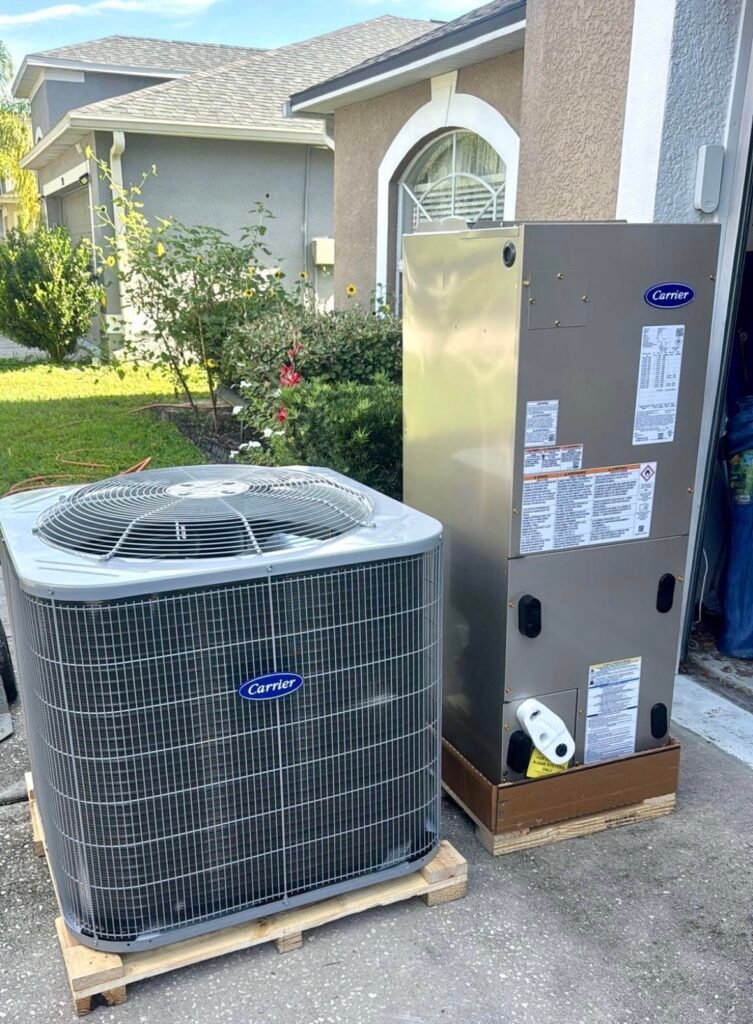
For older units, the primary culprit is mechanical fatigue. Think of your compressor like an aging athlete: a young person can move 100 boxes in ten minutes, while an older person might take an hour to do the same task. Your AC’s job is to “move” heat from inside your home to the outside. As the compressor ages, its volumetric efficiency drops—it simply can’t move heat as fast as it used to.
Reduced Airflow from the Blower Motor
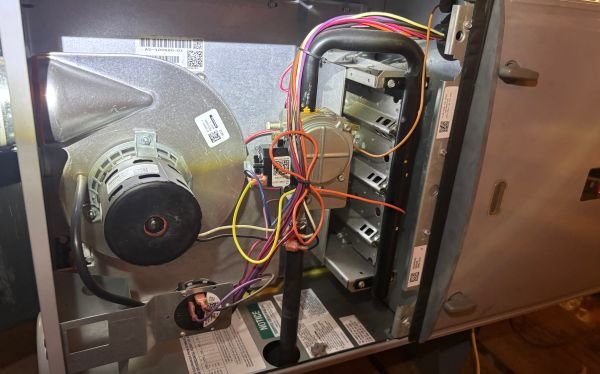
Even if the air coming out of the vent feels cold, the volume of that air matters. Over time, the indoor blower motor (located in your furnace or air handler) loses its RPMs.
Case Study: Our experts recently inspected a 21-year-old system where the airflow velocity was only 1 m/s, whereas a healthy system should be closer to 3 m/s. If the air isn’t moving fast enough, your home won’t reach the set point, regardless of how cold the air is.
Blocked Evaporator Coils
You might change your filters regularly, but that doesn’t mean the system is clean. Over a decade or two, fine dust bypasses the filter and cakes onto the Evaporator Coil. This creates a “wall” that restricts airflow. Since this blockage is deep inside the unit, a simple filter change won’t fix the lack of cooling capacity.
Insulation and Ductwork Degradation
In Houston, most indoor units are located in the attic—an environment that can reach 150°F in the summer. Your system relies on heavy insulation to keep the cold air in the ducts. As houses age:
Duct insulation tears or thins out.
Sealants dry up, leading to “conditioned air” leaking into your attic.
The home’s overall envelope (wall insulation and windows) weakens, allowing heat to seep in faster than the AC can remove it.
Solutions for Slow Cooling
1. Verify Refrigerant Levels
Always have a licensed professional check your Freon levels first. Low refrigerant makes the air “cool” but not “cold,” and running a system low on charge will eventually burn out your compressor.
2. Don’t Set the Thermostat Too Low During Peak Heat
Setting your AC to 70°F on a 100°F day puts an immense strain on the system. If the unit runs 24/7 without a break, the compressor may overheat and fail completely. On extreme days, try to maintain a more reasonable gap between the outdoor and indoor temperatures.
3. Plan Your Replacement Early
If your unit is struggling, don’t wait for it to die in the middle of a July heatwave.
Avoid the “Emergency Premium”: Replacing a unit in the summer is expensive and stressful.
The Off-Season Advantage: Replacing your system in the winter or shoulder seasons allows you more time to compare quotes and negotiate better pricing when HVAC companies aren’t at peak capacity.
Is your AC struggling to keep up with the heat? Contact Kelly AC & Heating today for a professional system evaluation!
- Give Us A Call
- 346-473-4995

Recent Comments